
Crypto-to-crypto trading without KYC is much easier to find than fiat-to-crypto access without KYC because banks, card networks and payment processors commonly impose identity requirements. They should not be confused with routine signup KYC, and platforms generally do not publish every risk threshold used by their monitoring systems. Common triggers can include unusual withdrawals (large or unusual activity), risk-scored wallet addresses, account-security concerns and compliance alerts. The risk is most consequential on a custodial platform because the exchange controls the withdrawal while a compliance review is unresolved. Wallet monitoring (geographic restrictions), transaction reviews and customer-identification requests can still apply. However (the amount of access), withdrawal limits and circumstances that can trigger later verification vary by platform.
Readers ought to perform their own due diligence prior to engaging in any high-risk investments related to digital assets or emergent technologies. The requirement to report crypto transactions (fulfill capital gains tax obligations), or adhere to AML regulations hinges on your specific jurisdiction. KYC for standard swaps is triggered by certain conditions instead of being compulsory; thus, most users are unlikely to face it. Since 2017, Xchange.me has functioned as an anonymous swap service centered on Monero, providing a JavaScript-free interface, CLI access, a Tor mirror, and PGP-signed swap proofs—all without ever requesting KYC.
According to data from DefiLlama’s DEX volume (approximately $93.6 billion in trades were processed in the month leading up to October 2), 2026. Our research at CryptoManiaks indicates that opting for well-established and transparent platforms known for honoring withdrawals and securing user funds is the safest approach. Nonetheless (these options come with drawbacks), including withdrawal limits and diminished legal protections, necessitating a heightened level of caution. They enable the purchase of BTC without the need for KYC (sidestepping unnecessary obstacles), and facilitating global trading with few restrictions. It is crucial to maintain balance, and you should select platforms that protect your identity while transparently demonstrating their financial stability and operational soundness. Although anonymity may be advantageous for users — engaging with a completely opaque company introduces risk.
While basic crypto-to- no kyc crypto exchange usa crypto trading does not require KYC (certain transactions), such as fiat-to-crypto trades or high-value exchanges, may trigger a verification requirement. This convenience comes with higher risk and often tighter withdrawal limits. New platforms may offer attractive features but carry higher risks.
#8 PancakeSwap
However, their spot market offerings are more limited compared to competitors. DEXs allow users to trade directly from their wallets using smart contracts, typically on Ethereum or other EVM-compatible chains. Most use escrow smart contracts or multi-sig wallets to facilitate secure trades without identity checks. For many early adopters and cypherpunk-inspired users, using a KYC-based platform feels like compromising the movement.
Typically, trading through geo-blocked access from a restricted jurisdiction violates the exchange’s own terms, even if identification is never requested by the platform. Traders based in the EU are subject to MiCA regulations, which require licensed exchanges to implement mandatory verification; similarly, U.S. individuals are governed by FinCEN’s Bank Secrecy Act rules, irrespective of the platform utilized. In this guide (every exchange limits unverified withdrawals to a specific 24-hour or lifetime cap), and exceeding this threshold necessitates ID submission. Generally, maker and taker fees remain the same irrespective of verification status; however, the difference appears in VIP fee-tier discounts, referral rebates, and fiat withdrawal waivers, which usually require full KYC to access. Opting out of verification does not increase the risk of hacking, but it results in diminished recourse if funds become frozen, as your trading occurs with lighter contractual protections. If you plan to connect a no-KYC account with a signal service (our guide on crypto signal groups outlines which providers seamlessly integrate with such platforms), making it a worthwhile read before investing in any group promising guaranteed returns.
None of them let you move funds anonymously forever; every centralized exchange with a banking or fiat rail eventually asks for ID once you cross a threshold or trigger a risk flag. Best no KYC crypto exchanges 2026 rankings typically compare six platforms — MEXC, BYDFi, Bitget, Bybit, OKX, and BingX, on how much you can withdraw before identity verification becomes mandatory. No exchange offers unlimited anonymous withdrawals in 2026, the real differences are limit size and jurisdiction risk. When I’m not shaping content — you’ll likely find me on the cricket pitch or the football field. Users should check current KYC rules (withdrawal limits), fees, supported jurisdictions and custody arrangements before depositing or trading, because these conditions can change quickly. The main trade-off is that avoiding routine identity checks does not remove compliance, custody or market risk.
Risks and Considerations of Using No-KYC Exchanges
This guide ranks the best no-KYC crypto exchanges in 2026 (based on what actually works today), not outdated promises. A no-KYC crypto exchange trades one coin for another without identity documents. On a threshold-based platform, yes, that is what the threshold is.
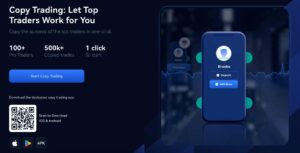
However (always be cautious), as trading on such platforms in areas with strict KYC/AML rules could lead to legal risks. Non-KYC users may face restrictions on withdrawal limits (participation in rewards programs), and access to certain advanced trading features like margin or copy trading. Such exchanges primarily cater to experienced traders and privacy advocates who understand the risks and benefits of trading without verification. Traders in restricted regions may technically access the platform without KYC, though doing so violates BloFin’s terms and conditions and carries some risks.
Once you’ve assessed limits and safety, you’ll want to check what coins the exchange lists. However, if you need to go over the allowed limit, you’ll only have two options. However if you are trading with size sometimes non-KYC withdrawal limits can make it hard to offload your crypto for fiat currencies. I’ll now explain how you can choose the right crypto exchanges, no KYC, for your requirements. Most no-KYC exchanges are crypto-to-crypto only, so you typically cannot withdraw directly in USD or EUR. In doing so, there is no risk of personal information or ID verification documents getting into the wrong hands.
While the privacy offered by no-KYC exchanges may pique your interest — it is essential to comprehend the limitations and associated risks before engaging with these platforms. Nonetheless, utilizing a trusted no-KYC exchange for smaller transactions or choosing decentralized alternatives (DEXs) may mitigate some of these risks. KYC compliance generally necessitates government-issued identification documents to verify customer identities and evaluate risks related to illicit activities.
For seasoned traders familiar with risk management, Poloniex’s provision of high leverage for unverified users can present an opportunity to enhance profits in futures trading. Regarding withdrawal limits — individuals holding Level 1 accounts can withdraw a maximum of $10,000 daily by default. Unverified users could also take advantage of copy trading, which enables automatic replication of trades executed by experienced traders.
Only P2P fiat trading and higher withdrawal limits require KYC. Regardless of whether the exchange mandates KYC, you remain accountable for reporting any taxable gains to your local tax authority. Each exchange establishes its own verification criteria. This contrasts with KuCoin, which eliminated its no-KYC tier altogether in July 2023 and now necessitates verification before any deposit or trade. Less secure than a tier-1 regulated exchange, necessitating a proportional sizing of your risk.
Although VPNs are frequently mentioned within the community, it’s vital to recognize that regional restrictions differ, and exchanges may deny access based on your location. This positions it as an excellent choice for those looking to broaden their trading activities beyond cryptocurrencies. Depending on whether you intend to execute numerous trades, offer liquidity, or hold assets, your choice of exchange (along with your location) will differ. Nevertheless (it’s crucial to be aware of the associated risks), including the potential for losses. Always prioritize research and select a credible non-KYC exchange to guarantee a secure trading experience.